Term 1 Week 5
In This Newsletter
A Message From Our Director
Grow With Us
We are excited to announce that Healthy Harold will be visiting our Kindy children on Monday the 16th of March, and again on Monday 30th March. The Life Education program, featuring the friendly giraffe, Healthy Harold, supports preschool children’s early development. Do any of our parents remember visiting the Life Ed Van, and meeting Healthy Harold? It was certainly a highlight of my own early education experience.
Through fun, engaging sessions, Healthy Harold helps young children learn about healthy eating, physical activity, hygiene, and feelings in ways they can easily understand. The program also builds social and emotional skills, teaching children how to make safe choices and care for their bodies. By introducing these concepts in a positive and memorable way, Life Education empowers preschoolers to grow into confident, healthy learners.
Our first Life Education session is on teaching and developing healthy body boundaries. These sessions are designed to specifically meet the developmental needs of children in their year prior to attending school. More information will be sent to parents of Kindy children in coming weeks.
Important Information
Items to bring every day
Items to Bring Every Day - ALL labelled with your child's name:
- Cot-sized sheet x2
- Hat
- Water bottle
- 3 sets of spare clothes and small towel (hand towel size)
Tuckshop can be ordered through the Flexischools app. Download the app and follow the prompts.
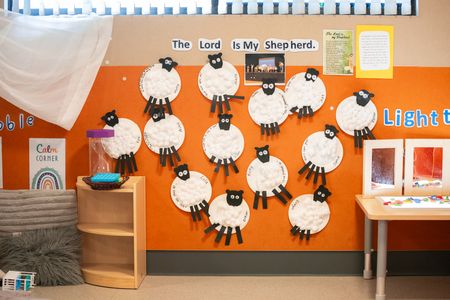
Weekly Memory Verse
To God be the Glory
Cooking Experience with Ms. T
Easy Milo Balls
Ingredients:
- 250 g plain sweet biscuits cookies (like Arnotts Marie)
-100 g (1 cup) desiccated coconut
- 45 g (⅓ cup) Milo powder or any malted milk powder
- 395 g sweetened condensed milk full fat
- Extra desiccated coconut to coat
Method:
-
Crush the biscuits in a food processor until they resemble fine crumbs. Place into a large bowl.
-
Add the coconut, Milo and sweetened condensed milk, and mix to combine.
-
Roll into heaped teaspoon-sized balls and then roll to coat in the extra coconut.
-
Store in the fridge in an airtight container for up to 7 days (or freeze for up to 1 month).
Thermomix Method
- Place the biscuits into the Thermomix bowl and crush for 10 seconds, Speed 8 (or until they resemble fine crumbs).
- Add the coconut, Milo and sweetened condensed milk, and mix for 20 seconds, Reverse, Speed 4, or until well combined.
- Roll into heaped teaspoon-sized balls and then roll to coat in the extra coconut.
- Store in the fridge in an airtight container for up to 7 days (or freeze for up to 1 month).
Interesting Learning
New Year, New Room, New Routines, New Experiences!
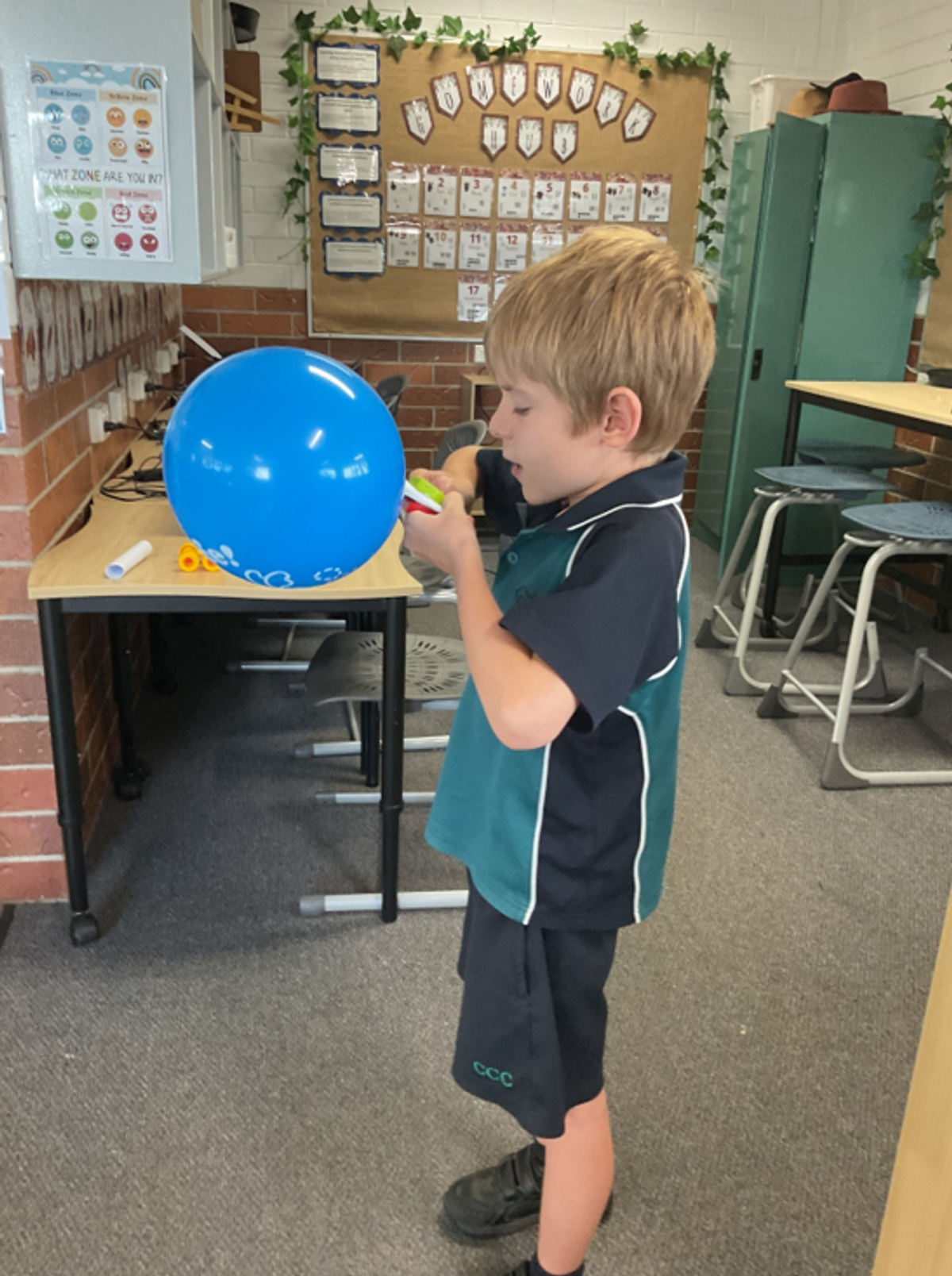
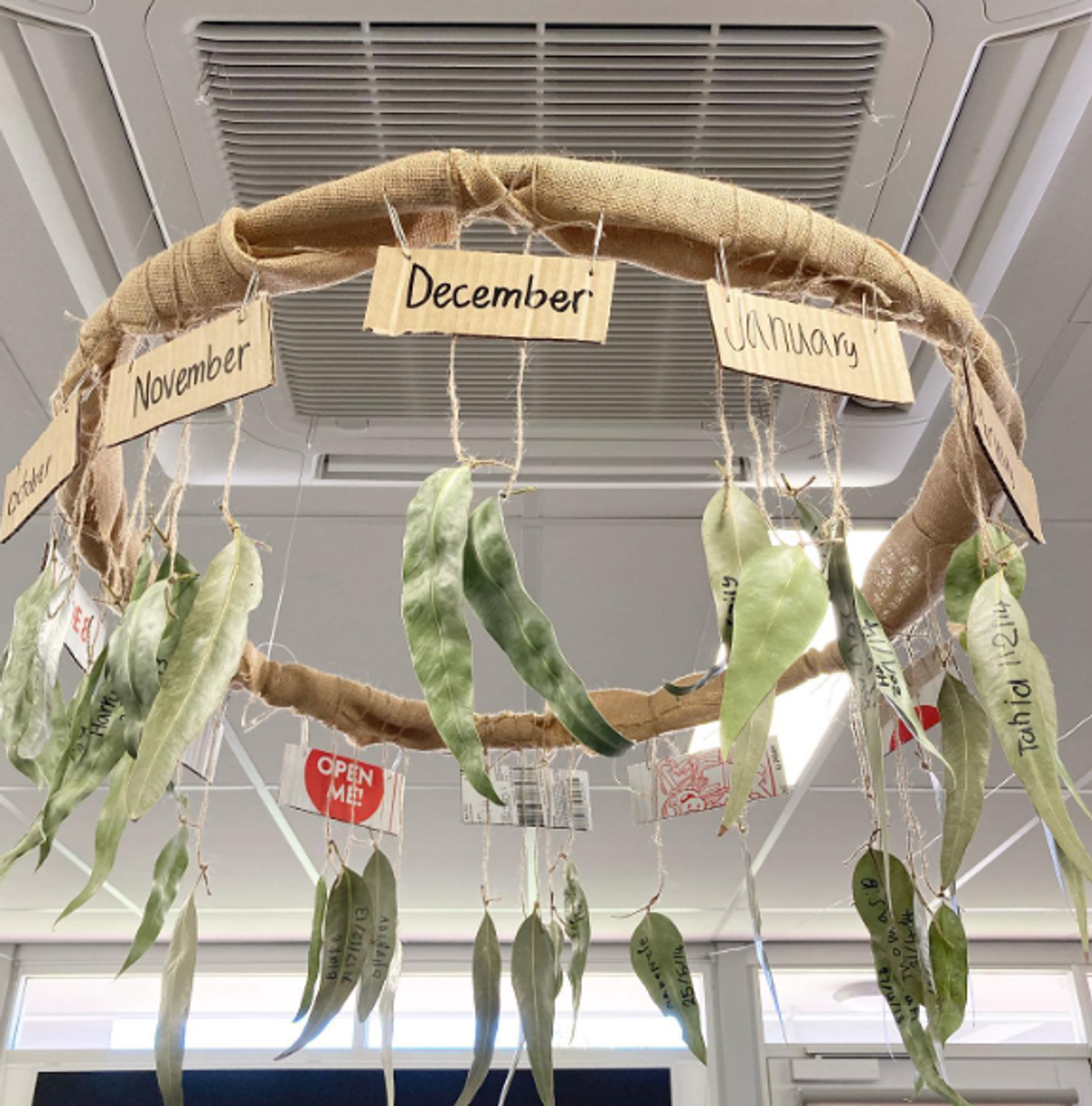
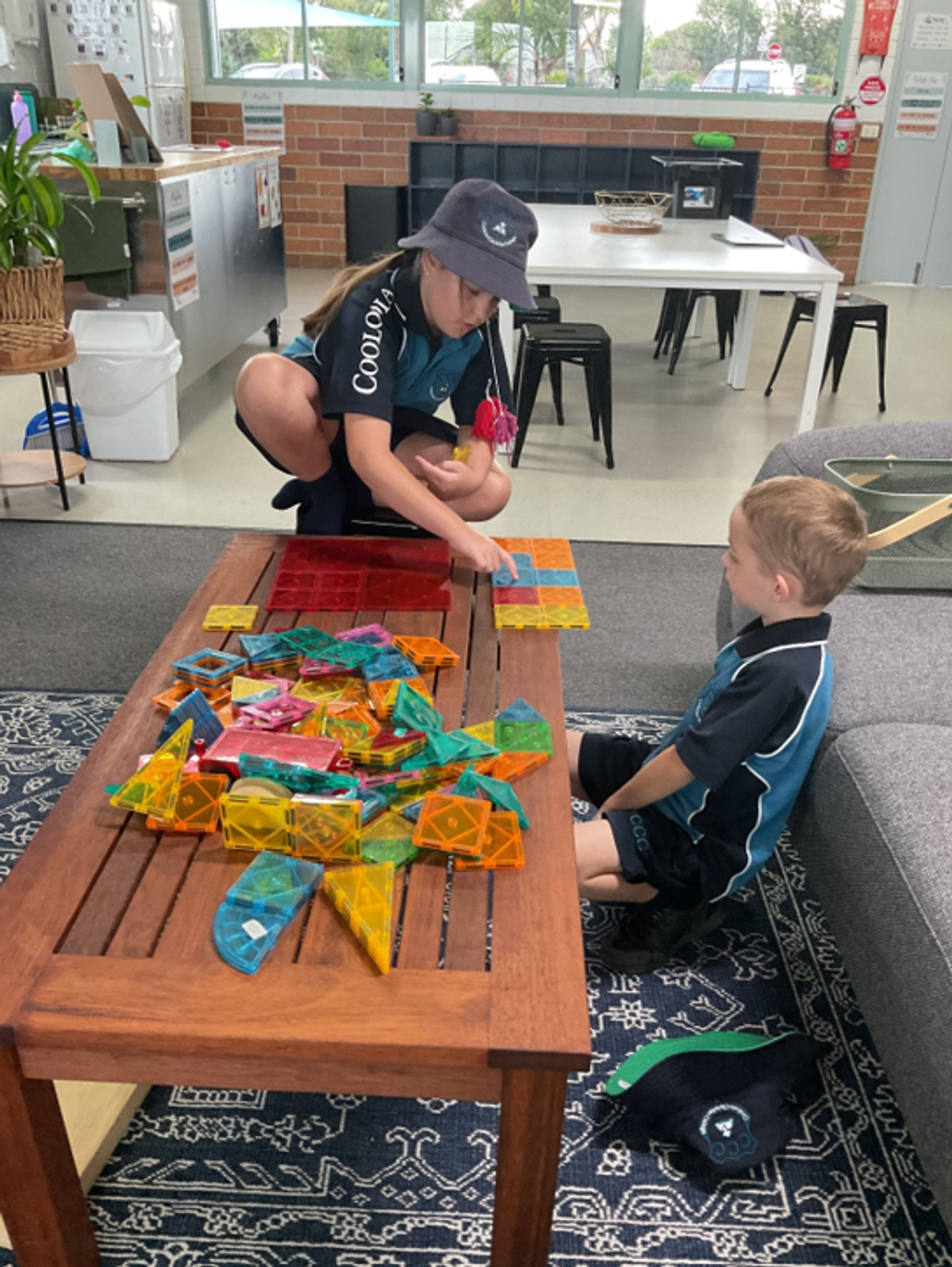
The start of the year has been full of excitement as the children settled into our new room, embraced fresh routines, and explored new experiences.
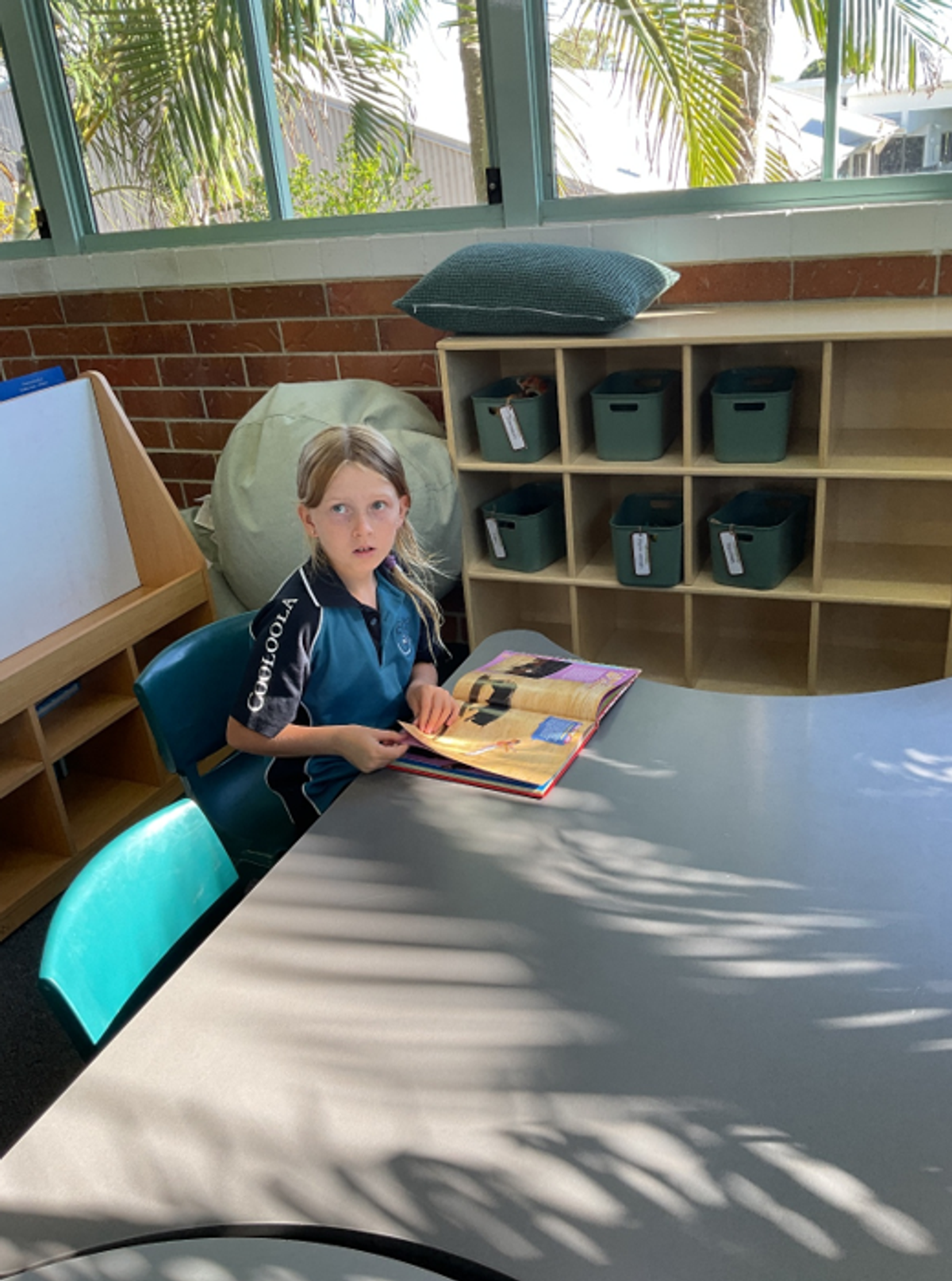
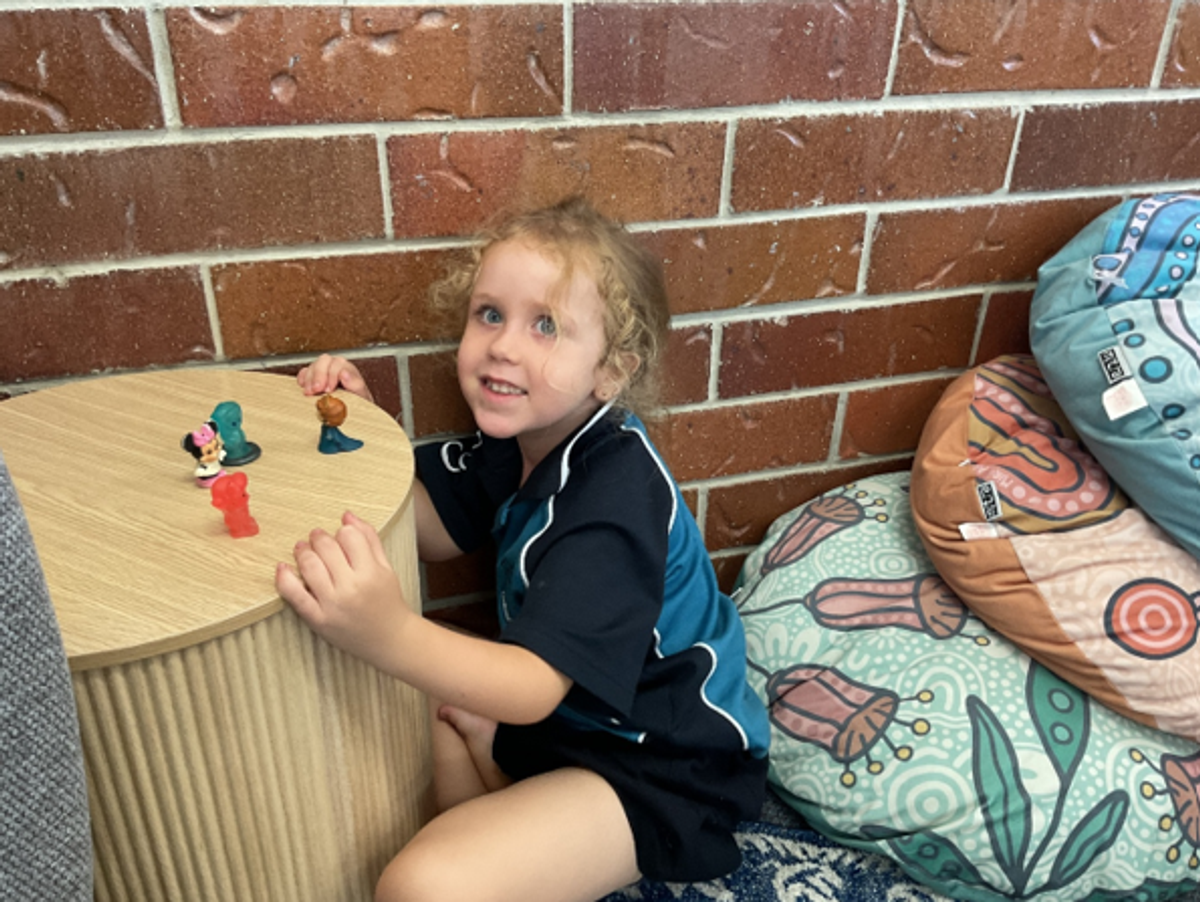
Calm Corner & Story Time: Many children spent time relaxing in the calm corner, getting lost in stories and learning about God’s weird and wonderful creations. These moments fostered curiosity, imagination, and a love of learning, helping children develop confidence and engagement with the world around them.
Creative Arts: In preparation for Valentine’s Day, children created beautiful yarn hearts, reflecting on the greatest love of all – God’s love for us. Through this activity, children explored personal expression, values, and spirituality, while developing creativity and fine motor skills.
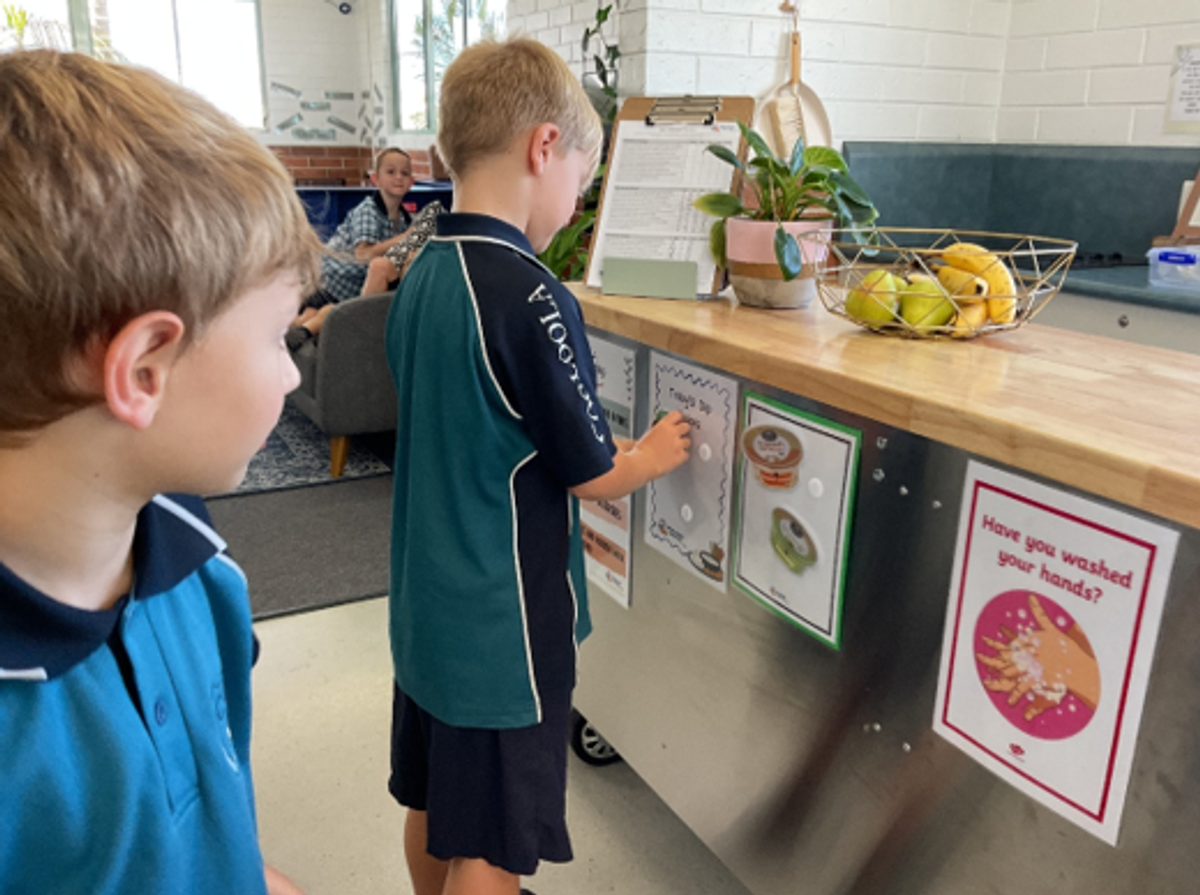
Culinary Experiences: Children enjoyed interacting with menu choices of the day, building independence, decision-making, and social skills, while developing confidence in taking care of themselves and participating in daily routines.
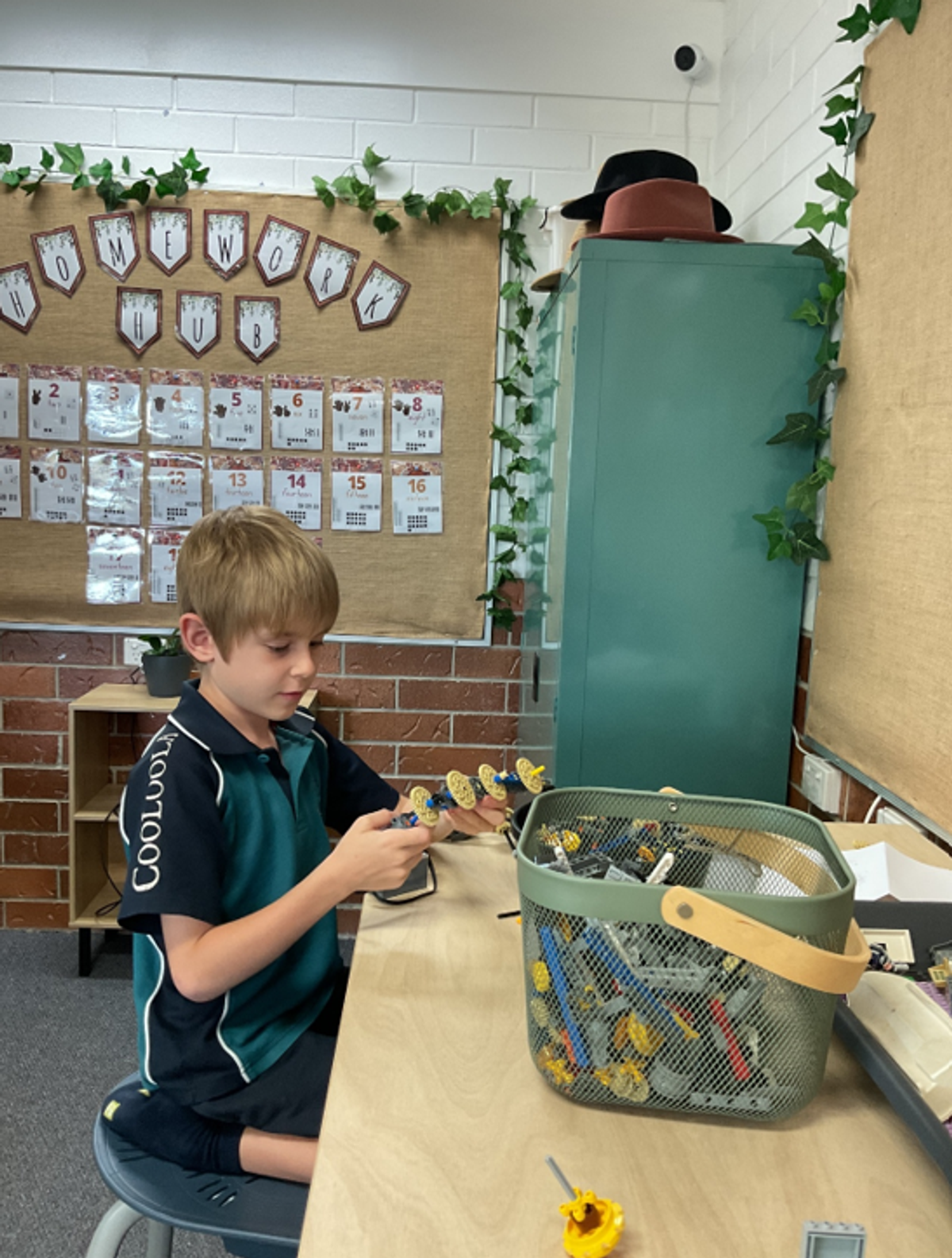
STEM & Engineering Play: In the creative corner, the boys engineered spinners using Technic Legos. This encouraged problem-solving, experimentation, and persistence, supporting children in becoming confident and involved learners.
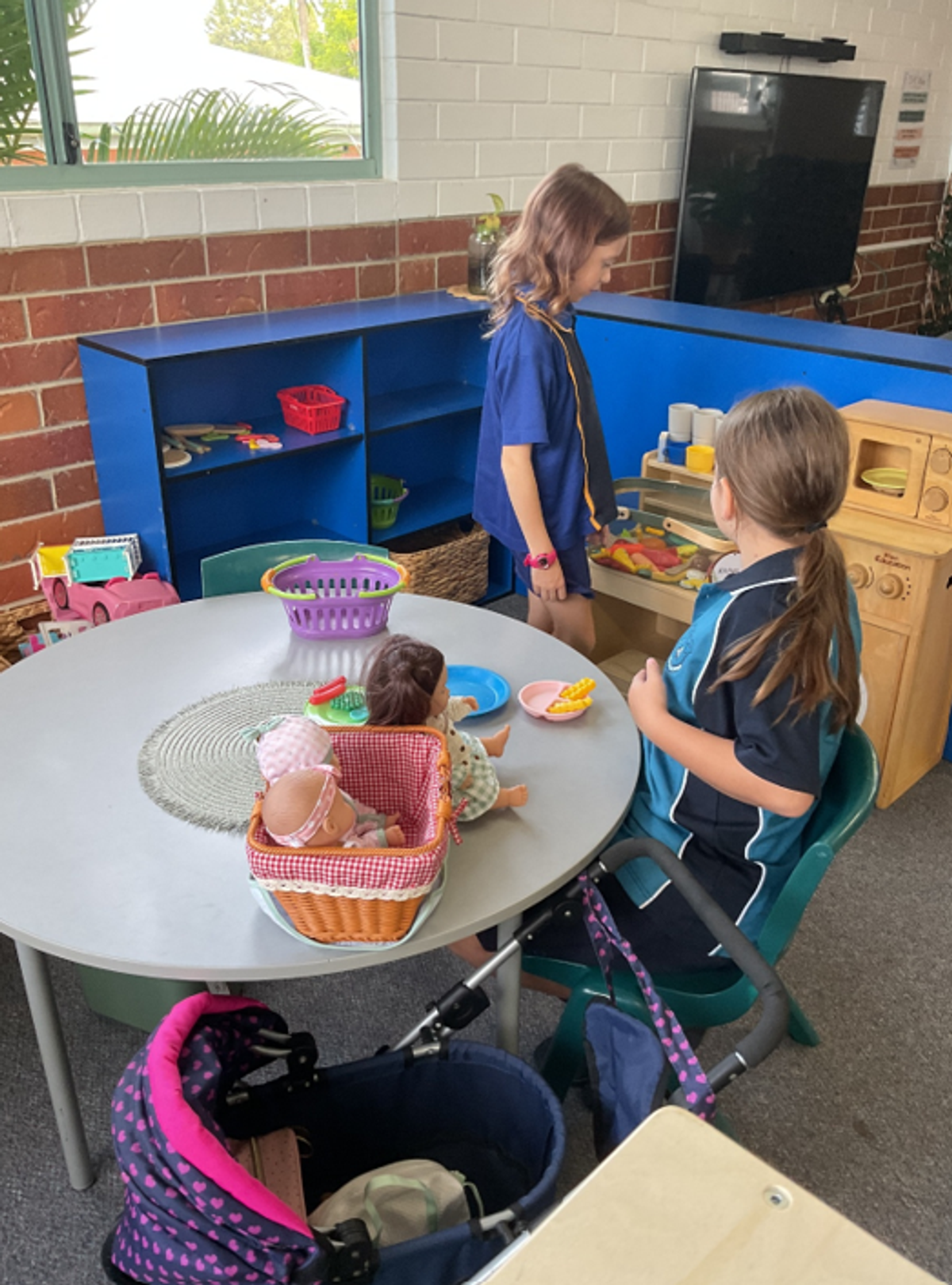
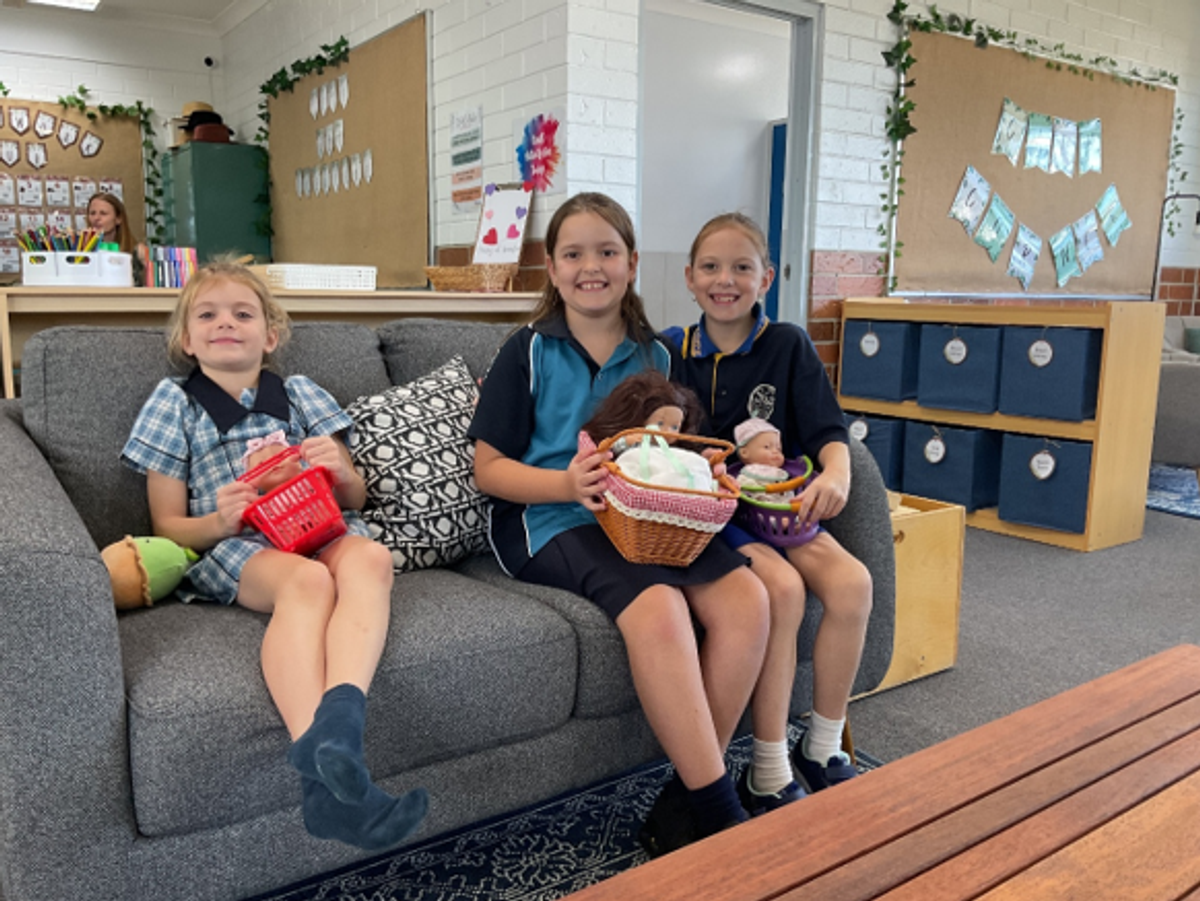
Home Corner & Dramatic Play: The home corner remained popular with many of the girls engaging in make-believe families. Through imaginative play, children practiced cooperation, empathy, communication, and social problem-solving.
Physical Play & Playground Upgrades: Some of the children have loved afternoon soccer games and are excitedly looking forward to exploring the playground, which is currently being upgraded. These activities encourage teamwork, fair play, physical skills, and confidence, while giving children fun and challenging ways to be active outdoors.
It has been wonderful to see the children engaging confidently and comfortably in our fresh, new OSHC space, exploring creativity, building friendships, and embracing new routines as they look forward to the year ahead.
Parent Resources & Information
Body Boundaries - Consent
In the past, the word consent has not been commonly associated with young children or the early childhood education sector more broadly. Dictionary definitions of consent emphasise giving permission for something to happen—in other words empowering children to understand their own rights in regard to their own bodies. This is a basic right of each child. These rights are outlined in the United Nations Convention of the Rights of the Child.
According to the Early Years Learning Framework, it is important for educators to draw on a rich foundation of pedagogical practices to support and foster children’s learning, including being responsive to children, implementing learning through play experiences and intentional teaching (DEEWR, 2009). These pedagogical practices support children to develop knowledge and understanding about themselves and the world. For each child and age group, different consideration needs to be taken into account.
Below are some of the ways educators at our Early Learning Centre will ensure children are respected, and are guided to develop the language they need to keep their own bodies safe. We encourage you, as parents, to speak and learn with your child in similar ways at home. It's never too early to begin talking about body safety.
Toddlers
-
Be respectful and timely during routine moments such as changing nappies and toileting. For example, if there is no need to change a nappy when a child is playing, wait a short while until they aren’t engaged in important learning.
-
Let the child know what you are doing and why you’re doing it before picking them up and moving them. Use language such as: ‘I am going to pick your body up off the ground to change your nappy. I am changing it to keep your body healthy. I am going to lay you down here, open your nappy, and use this wipe to clean. The safe people that can change your nappy are …’
-
Name and acknowledge different feelings and emotions to provide each child with a reference point and sense of security.
-
Use music, songs and age-appropriate books to talk about different parts of the body, including identifying the differences between public and private body parts.
-
During peer interactions, if a child becomes upset, speak to both children with language such as: ‘Being kind is important. (Name the behaviour) Hitting/pushing is not kind. We need to ask someone before touching their bodies.’
Preschoolers
Children aged three to five years begin to become more aware of their bodies, interests and sense of autonomy. There are physical, linguistic, emotional and social changes in their worlds. Helpful suggestions for learning and growing alongside preschoolers include:
-
Reinforce who their safe people are.
-
Talk about the differences between secrets and surprises.
-
Have whole-group and small-group discussions regarding who can help with private parts of the body. For example, family members and educators can help change a child when they have an accident, not friends and peers.
-
Read books such as the ABC’s of Body Safety and Consent by Jayneen Sanders.
-
Use activities, music, books and stories and language that scaffolds learning about respectful relationships, building friendships, understanding emotions, children knowing their safe people and celebrating difference.
Useful Resources
Language and consistency will reinforce to each child that adults are respecting their rights and autonomy. When presented with situations where the child wants to reassert their autonomy, it is important to continue explaining what is happening and why. Here are some ideas:
-
Read books such as Everyone’s got a Bottom by Tess Rowley.
-
Play the song and/or video: I’m the Boss of my Own Body by the Teeny Tiny Stevies
-
Use songs, books and images to talk about safe adults - the Daniel Morcombe Foundation have a wide range of resources online.
-
Reinforce respectful relationships through activities that speak to a child’s needs for support with their feelings.
-
If a child uses a different name for a body part, reinforce the correct name.
-
Use teachable moments such as a child taking a toy off another with language that emphasises being kind and asking first.
There are many different ways educators and parents can advocate for every child’s right to understand consent. Remember, it's never too early to begin discussions about safe body boundaries with your children.
Adapted from: https://thespoke.earlychildhoodaustralia.org.au/consent-body-safety-rights-child/
Please leave a review
If you have time, would you be willing to leave a positive online review for the CCC Early Learning Centre? It should only take a moment if you click the button below. You can simply leave a rating however we’d love you to share details of your positive experience. Thank you in advance for helping us celebrate the ELC.
Upcoming Events
Coming Up
-
Play Friends – Coming Soon
Play Friends, a playgroup for mums and pre-school aged children, will be launching soon. Stay tuned for more details. Flyers will be available at the ELC and College in the coming weeks. - Thursday 26 February
Heritage Bank Education Session
(Parent Career Visit – Kindy Rooms)
-
Life Education Visit – Healthy Harold
The Life Education program featuring Healthy Harold will be visiting our Kindy children on:
Monday 16 March
Monday 30 MarchFurther information will be sent to Kindy families in the coming weeks.
-
School Holiday Discount Reminder
If your child will not be attending the Early Learning Centre during the school holidays, please notify Reception as soon as possible, or at least two weeks in advance, to receive a 30% discount on fees.
School Holiday Dates:
Term 1 concludes: 2 April
Term 2 commences: Monday 20 AprilPlease email Reception to confirm your child’s absence.